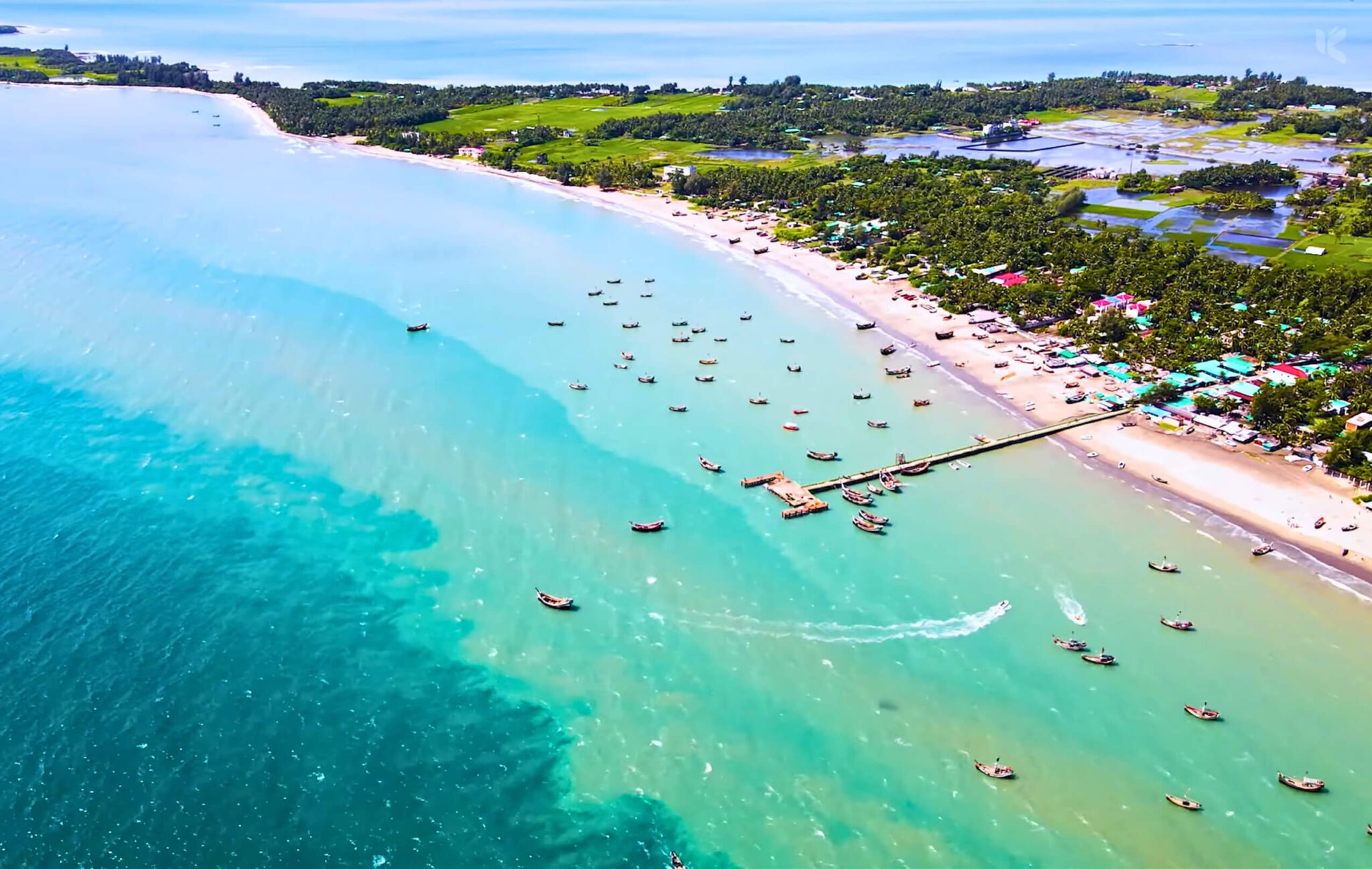
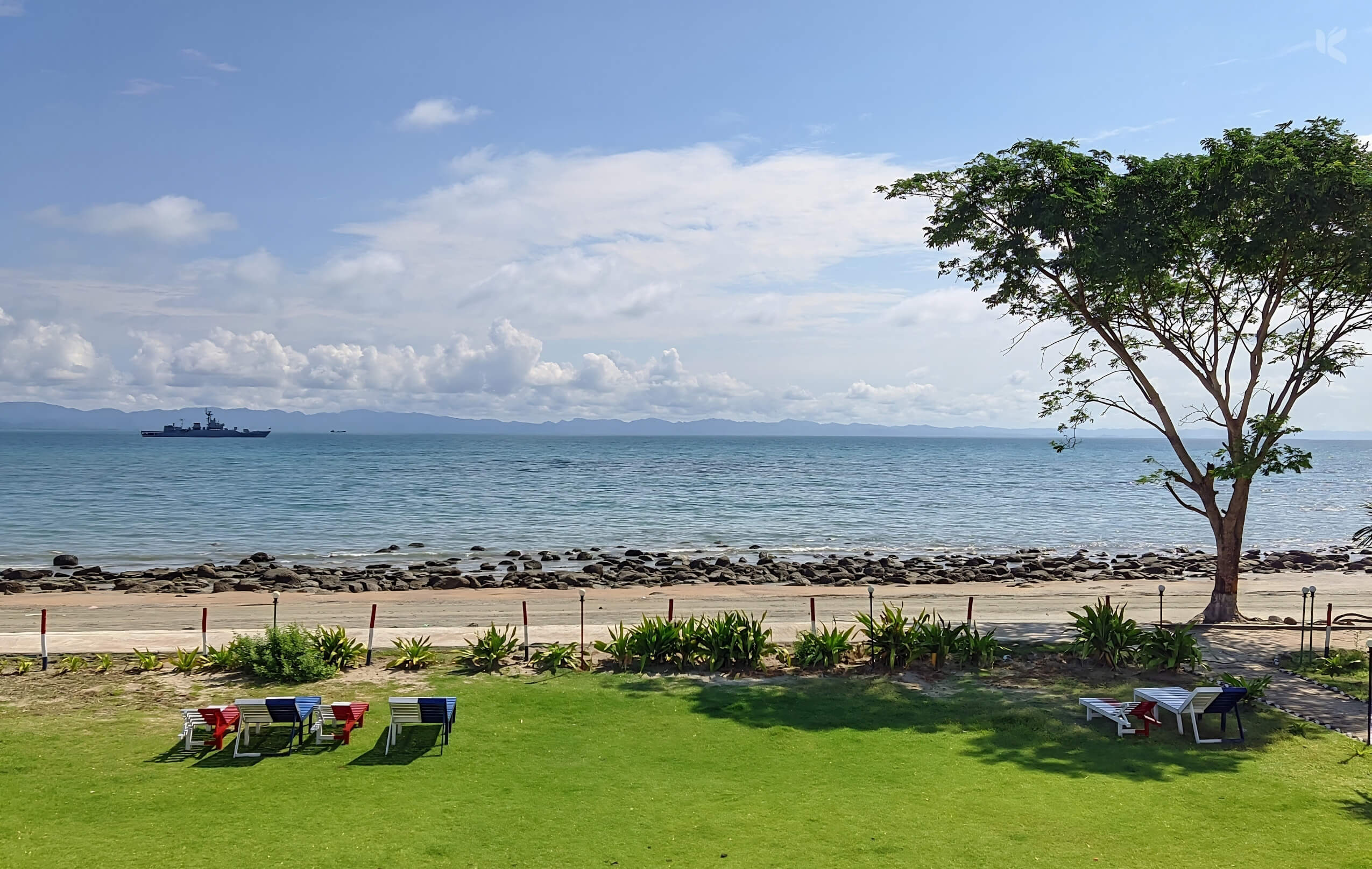
Saint Martin’s Island sits at the very southern tip of Bangladesh, a small coral outcrop in the Bay of Bengal that most Bangladeshis simply call Narikel Jinjira, the coconut island. For years it was the country’s easiest tropical getaway: a short boat ride from Cox’s Bazar, cheap seafood on the beach, and clear water you don’t normally associate with this part of the world.
That’s changed a lot in the last two years. The government has put strict seasonal limits on tourism to protect the coral reef and the island’s ecosystem, and as of this writing, the island is closed to tourists entirely. This guide covers what the island is actually like, when you can go, how the new rules work, and how to plan a trip once the season reopens.
Important note before you read further: Saint Martin’s Island is currently closed to all tourist travel. The government’s policy (explained in detail below) restricts the island to roughly three months of tourist access per year, with the rest of the year closed for ecological recovery. Always confirm the current status through the Bangladesh Tourism Board’s official portal before booking anything.
Planning a beach vacation? Read our Cox’s Bazar Travel Guide for tips on beaches, hotels, transportation, and trip planning.
Quick Facts
| Location | Bay of Bengal, southernmost tip of Bangladesh, near Teknaf and the Myanmar coast |
| Local name | Narikel Jinjira (coconut island) |
| Size | Roughly 8 square kilometres |
| District | Cox’s Bazar |
| Gateway city | Cox’s Bazar (via Teknaf) |
| How to reach | Passenger ship from the BIWTA jetty at Nuniachhara, Cox’s Bazar |
| Current tourist season | November 1 to January 31 (day trips only in November, overnight stays in December and January) |
| Off season / closure | February 1 to October 31 |
| Daily visitor cap | 2,000 tourists |
| Entry requirement | Government Travel Pass with QR code, issued automatically with an authorised ship ticket |
| Known for | Coral reef, Chhera Dwip, seafood, sunsets, snorkelling |
Why Visit Saint Martin’s Island?
Bangladesh doesn’t have a lot of coastline that looks like this. Most of the country is river delta, and even Cox’s Bazar, famous for having one of the world’s longest unbroken sea beaches, doesn’t have the coral or the clear turquoise water you get around Saint Martin’s.
The appeal here is simple. It’s the only place in the country where you can snorkel over a living reef, watch a sunset with the water actually visible in front of you (rather than muddy brown), and eat fish that was in the sea that same morning. For a lot of Bangladeshi travelers, it’s also the closest thing to an island holiday without leaving the country.
It’s a small place, though, and it isn’t a resort island in the Southeast Asian sense. Expect a fishing village atmosphere, basic infrastructure, and an experience that’s more about the sea and the quiet than about luxury.
Where is Saint Martin’s Island?
Saint Martin’s Island lies at the northeastern edge of the Bay of Bengal, roughly 9 kilometres south of the Teknaf peninsula, which is the southernmost point of mainland Bangladesh. Myanmar’s coast is visible from parts of the island on a clear day. The island is administratively part of Cox’s Bazar district, under Teknaf upazila.
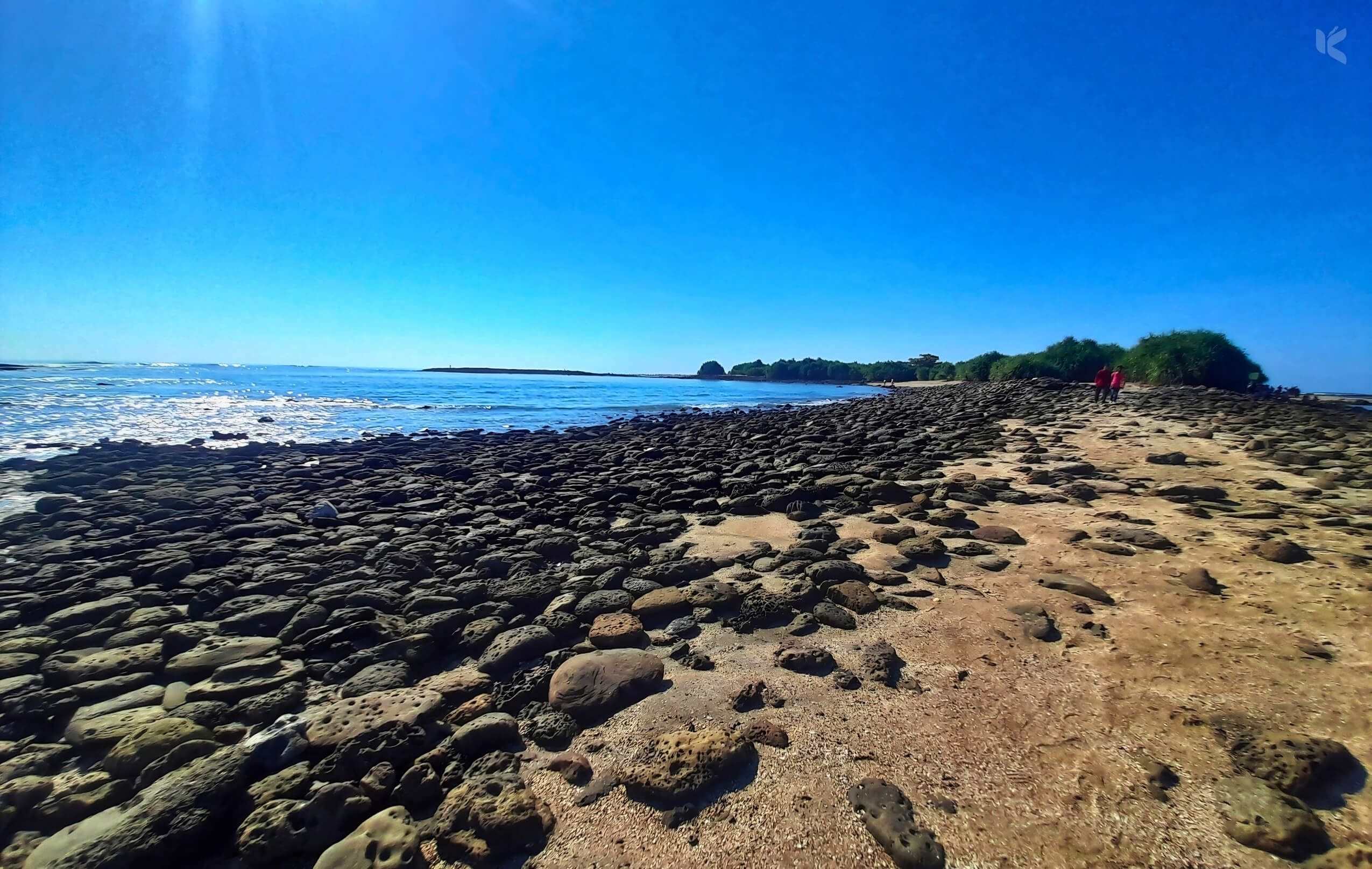
It’s made up of the main island and a smaller detached section called Chhera Dwip (also spelled Ekhera Dwip), which separates from the main island at high tide and reconnects when the tide goes out.
Best Time to Visit Saint Martin’s Island
The honest answer is: only during the officially announced tourist window, which currently runs from November through January, with day trips only in November. Outside that window, the island is closed to tourist travel by government order, so “best time to visit” now has to be read alongside “when is it actually open.”
Within the open season, December and January are the better months. The sea is calmer, overnight stays are allowed, and the weather is dry and comfortable, typically in the low-to-mid 20s Celsius at night and warmer during the day. November tends to have day-trip-only access as the government reopens the route, and the sea can still be a little rough right after the monsoon.
Avoid the idea of visiting outside the sanctioned season entirely. Rough seas, the absence of passenger vessels, and the current closure make it both unsafe and, at the moment, not legally possible.
| Month | Status | Notes |
|---|---|---|
| November | Open, day trips only | Reopening month, sea can still be choppy |
| December | Open, overnight stays allowed | Good weather, popular month |
| January | Open, overnight stays allowed | Best weather window, book early |
| February – October | Closed to tourists | Government conservation closure |
Always check the Bangladesh Tourism Board‘s official channels or the BIWTA notice board for the exact reopening date each year, since the government has adjusted these dates from season to season.
How to Get There
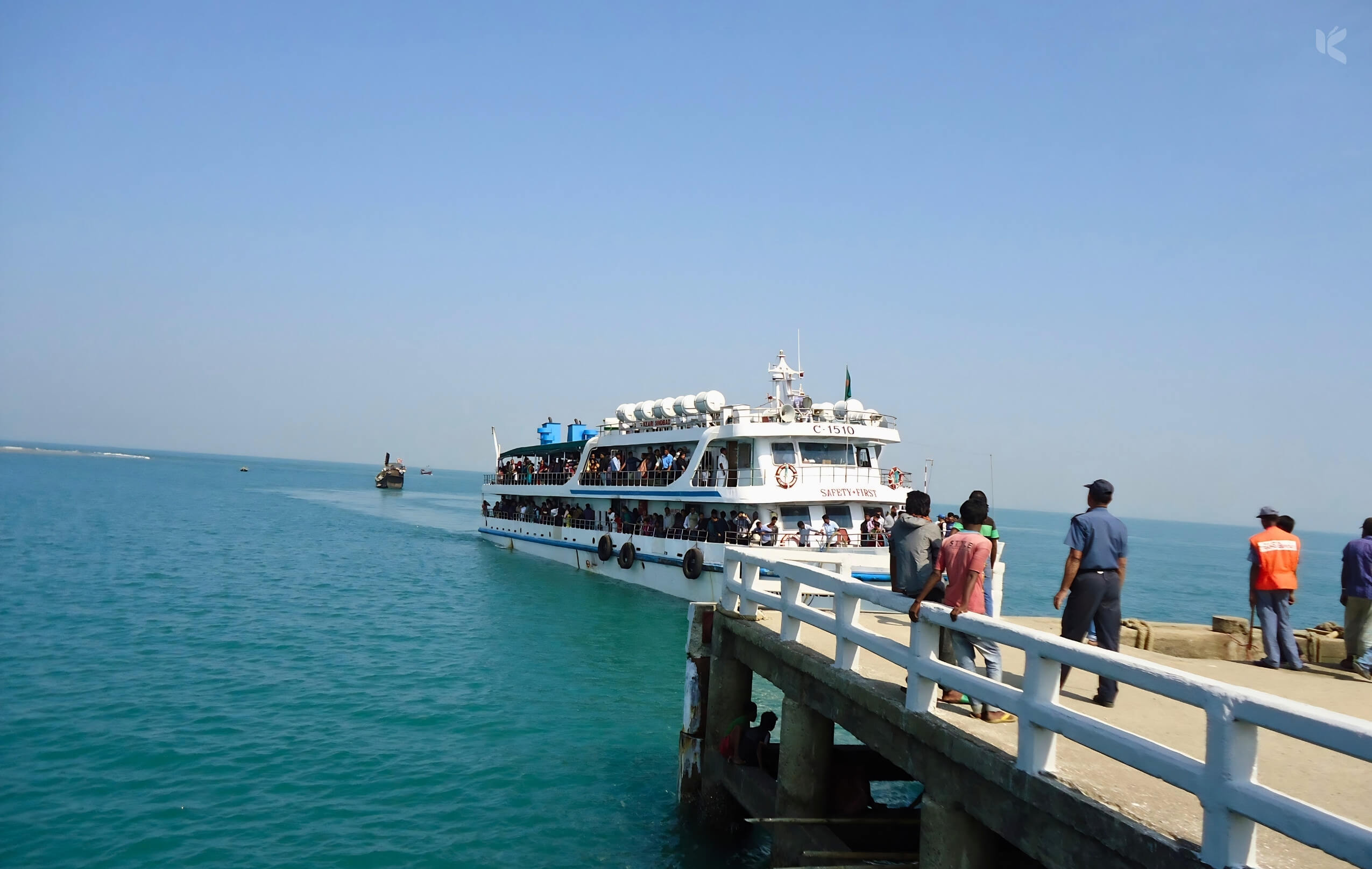
Featured answer: Saint Martin’s Island is reached only by authorised passenger ship from the BIWTA jetty at Nuniachhara in Cox’s Bazar. You cannot fly there and there’s no other legal departure point currently permitted. Ships typically depart in the morning and return the same afternoon for day-trip tickets.
Step 1: Get to Cox’s Bazar
Most visitors fly into Cox’s Bazar Airport from Dhaka or Chattogram, a flight of under an hour from Dhaka. Overnight buses from Dhaka to Cox’s Bazar are the budget option and take roughly 9 to 10 hours depending on traffic.
Step 2: Book your ship ticket in advance
As of the 2024–25 season, every tourist needs a government-issued Travel Pass to board a vessel to Saint Martin’s. You don’t apply for this separately. When you buy your ship ticket through the Bangladesh Tourism Board’s authorised online portal, the Travel Pass and a QR code are generated automatically and linked to your booking. A ticket without a valid QR code will not get you on board.
Step 3: Board at Nuniachhara jetty, Cox’s Bazar
Ships depart from the BIWTA jetty area, generally in the morning. Arrive early. Boarding is checked against your QR code, and vessel operators will not make exceptions for tourists without a valid pass.
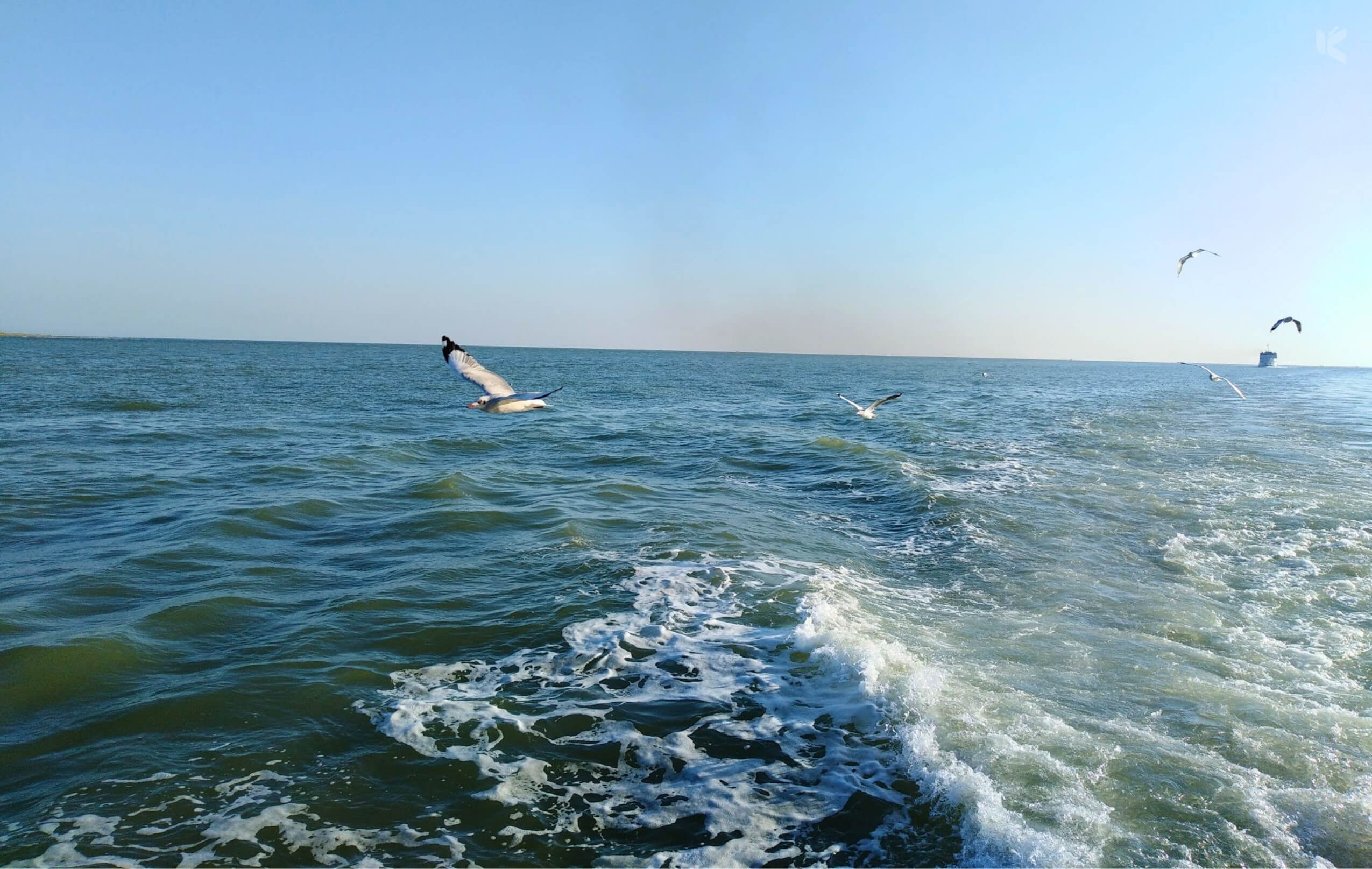
The sea crossing takes a few hours each way, and conditions can be rough, especially early or late in the season. If you’re prone to seasickness, take precautions before boarding.
Transportation Inside Saint Martin’s Island
The island itself is small enough to explore mostly on foot. There are no cars in the way you’d expect from the mainland. Common options include:
- Walking – the most common way to get around the main village and beach areas.
- Bicycles – rented locally, a popular way to cover more ground.
- Vans and rickshaws – battery-run vans and cycle rickshaws operate for longer distances or for travelers with luggage.
- Boats to Chhera Dwip – small boats ferry visitors to Chhera Dwip when it’s separated from the main island at high tide.
Note that under current rules, motorised vehicles are banned from the beach itself to protect the shoreline and marine life, so don’t expect (or ask for) beach joyrides.
Read more: 15 Tips for Traveling to Bangladesh
Entry Fees
There’s no separate “entry fee” to the island beyond your ship ticket and the Travel Pass, which is bundled into that ticket price. Ship ticket prices vary by operator, class (open deck vs. cabin), and season, so this guide won’t quote a specific figure. Check current fares directly on the Bangladesh Tourism Board portal or with the ferry operator when the season is open, since prices do change year to year.
Top Things to Do
Snorkelling over the reef
Saint Martin’s is Bangladesh’s only coral reef and its only real snorkelling destination. The most accessible living coral is around Chhera Dwip and the southern tip of the main island. Bring or rent basic snorkelling gear locally, and use reef-safe, mineral-based sunscreen (zinc oxide or titanium dioxide) rather than standard chemical sunscreen, which damages coral.
Visiting Chhera Dwip
This detached sandbar-like section of the island is one of the most photographed spots in Bangladesh, especially at low tide when you can walk across. It’s quieter than the main village and a good spot for a slower afternoon.
Cycling around the island
Renting a bicycle and doing a loop of the island is one of the simplest, most enjoyable things to do here. It’s small enough to circle in a few hours, with stops at fishing spots, coconut groves, and quiet beaches along the way.
Watching the sunset
The western side of the island faces open sea, and sunset here is genuinely one of the better ones in the country, with none of the haze you get over the mainland coast.
Eating fresh seafood
Grilled and fried fish, crab, and squid from the day’s catch are sold along the main strip. This is one of the main reasons people come.
Exploring the fishing village
Walking through the village gives a sense of daily island life: drying fish, boat repair, small shops, and a slower pace than anywhere on the mainland.
Best Beaches on Saint Martin’s Island
| Beach Area | What It’s Known For |
|---|---|
| West Beach (main village side) | Sunset views, easiest access, most facilities nearby |
| Chhera Dwip beach | Quieter, better for a half-day escape, tidal access |
| Coral beach (southern tip) | Closest snorkelling to shore, rockier terrain |
| East side beaches | Less crowded, good for early morning walks |
Nearby Attractions
Given the island’s remoteness, “nearby” mostly means places on the way there or back:
- Teknaf – the mainland departure point, with its own beach and views toward Myanmar.
- Cox’s Bazar Beach – worth a day or two on either end of your trip, especially if you’re already flying into Cox’s Bazar.
- Himchari National Park – a short trip from Cox’s Bazar town, known for waterfalls and forest trails.
- Inani Beach – a quieter stretch of coastline between Cox’s Bazar and Teknaf.
Suggested 3-Day Itinerary
Day 1: Cox’s Bazar to Saint Martin’s Take an early ship from Nuniachhara jetty. Arrive by midday, check into your accommodation, and spend the afternoon walking the main beach and watching the sunset.
Day 2: Snorkelling and Chhera Dwip Spend the morning snorkelling near the southern coral areas. In the afternoon, walk or take a boat to Chhera Dwip, depending on the tide. Have dinner at one of the seafood spots along the beach.
Day 3: Cycling and departure Rent a bicycle for a morning loop of the island, then head back to the jetty in time for the return ship to Cox’s Bazar. Ship schedules are tighter than you’d expect, so build in buffer time.
This itinerary only works when overnight stays are permitted (currently December and January). If you’re visiting during a day-trip-only window, you’ll need to compress activities into a single day.
Read more: 10 Benefits of Traveling Alone
Where to Stay
Accommodation on Saint Martin’s Island ranges from simple guesthouses to a handful of more comfortable resort-style properties, though nothing here compares to international beach resort standards. Facilities can be basic, power supply is sometimes limited to certain hours, and availability during the short open season fills up fast.
Budget
Simple guesthouses and family-run lodges near the main village, usually with fan rooms and shared or basic private bathrooms.
Mid-range
A step up in comfort, sometimes with attached bathrooms, hot water, and sea-facing rooms.
Luxury
A small number of resort-style properties with better amenities, though “luxury” here should be understood relative to the island rather than compared to international five-star standards.
Beach Resorts
Several properties sit directly on or near the beach, which is worth prioritising given how much of the experience here is about the sea view and easy beach access.
Given how quickly rooms book up in the short tourist window, and how prices and availability shift between seasons, check current listings and prices directly with hotels or through a travel agent closer to your travel dates rather than relying on older price lists.
Where to Eat
Most dining on Saint Martin’s happens along the main beach strip, where small restaurants and food stalls grill and fry the day’s seafood catch in front of you. Guesthouses often serve simple Bangladeshi meals as well. Don’t expect much variety beyond seafood, rice, and basic Bangladeshi dishes, and don’t expect fixed menus or prices; bargaining and asking the day’s catch price is normal.
Local Foods to Try
- Grilled fish – often red snapper or similar reef fish, grilled whole over open coals.
- Fried squid and prawns – a common evening snack along the beach.
- Crab curry – a local specialty when available.
- Fresh coconut water – sold everywhere, given how much of the island is covered in coconut groves.
- Dry fish (shutki) – a regional staple, though it’s a strong, acquired taste for first-timers.
Estimated Travel Budget
Prices on Saint Martin’s Island fluctuate by season, operator, and how far in advance you book, so treat the figures below as a general planning guide rather than fixed costs. Always confirm current ship fares, hotel rates, and food prices closer to your travel date.
Budget Traveler
| Category | Estimate |
|---|---|
| Accommodation | Basic guesthouse, shared or simple private room |
| Food | Local seafood stalls, simple guesthouse meals |
| Transportation | Standard ship ticket (open deck), walking/cycling on the island |
| Activities | Self-guided snorkelling, walking, cycling |
| Estimated Daily Total | Lower end of the range; verify current fares |
Mid-range Traveler
| Category | Estimate |
|---|---|
| Accommodation | Private room with attached bathroom |
| Food | Sit-down beach restaurants |
| Transportation | Cabin-class ship ticket, occasional van/rickshaw |
| Activities | Guided snorkelling, boat trip to Chhera Dwip |
| Estimated Daily Total | Moderate; verify current rates |
Luxury Traveler
| Category | Estimate |
|---|---|
| Accommodation | Best available resort-style rooms |
| Food | Full-service restaurant dining |
| Transportation | Premium cabin ship ticket, private transfers on the island |
| Activities | Private snorkelling trips, full-island excursions |
| Estimated Daily Total | Higher end; verify current rates |
Prices for ship tickets, hotels, and food change between seasons and operators, so confirm everything through official channels or directly with providers before booking.
Read more: Top 25 Travel Tips Every Traveler Should Know
Packing List
- Reef-safe (mineral-based) sunscreen
- A reusable water bottle or flask (single-use plastic bottles are discouraged under current island rules)
- Snorkelling gear if you have your own, or plan to rent locally
- Light, breathable clothing plus something warmer for evenings in December/January
- A hat and sunglasses
- A basic first-aid kit and any personal medication
- Cash in smaller denominations, since card payment options are limited on the island
- A dry bag for phones and electronics during boat trips
- Motion sickness medication if you’re prone to seasickness
- A power bank, since electricity supply can be limited on the island
Safety Tips
- Confirm the island is officially open and that you have a valid Travel Pass and QR code before travelling to Cox’s Bazar.
- Book tickets only through the authorised Bangladesh Tourism Board portal or a reputable operator; unofficial vessels are not permitted on the route.
- The sea crossing can be rough, particularly early or late in the season. Follow crew instructions and wear a life jacket if provided.
- Swim only in designated, calmer areas, and be cautious of currents, especially near the coral zones.
- Keep an eye on tide times before walking to Chhera Dwip, since the crossing floods at high tide.
- Mobile network coverage can be inconsistent; let someone know your general plans before you lose signal.
- Carry basic medication, as medical facilities on the island are limited.
Travel Tips
- Book your ship ticket and accommodation well in advance during the short open season, since demand outpaces the 2,000-visitor daily cap.
- Bring cash. ATMs and card payment infrastructure are unreliable or absent on the island.
- Pack out anything you pack in, especially plastic, given the island’s limited waste management.
- Confirm return ship times as soon as you arrive so you don’t miss your departure.
- Don’t assume last year’s rules apply this year. The government has changed the open season, ticketing system, and rules multiple times in recent seasons.
- If you’re travelling during a day-trip-only period, plan a tight schedule since you won’t have overnight flexibility.
Local Culture
Greetings
A simple “Assalamu Alaikum” (peace be upon you) is a common and appreciated greeting in this predominantly Muslim area, along with a smile and a nod. English is understood by some in the tourism trade, but Bengali (and the local Chittagonian dialect) is the everyday language.
Dress Expectations
Modest dress is appreciated outside the immediate beach area. Swimwear is fine in the water and on the beach itself, but cover up when walking through the village, eating at restaurants, or visiting local homes.
Religious Customs
The island community is largely Muslim, and you’ll hear the call to prayer throughout the day. Be respectful around mosques and during prayer times, and avoid loud behaviour nearby.
Photography Etiquette
Ask before photographing local residents, especially fishermen at work or women in the village. Photos of the beach, sea, and general scenery are generally fine without asking.
Tipping
Tipping isn’t strictly required but is appreciated for good service at restaurants or from boat crews. A modest amount, rounded up from the bill, is a normal gesture.
Behaviour at Local Attractions
Follow the current environmental rules strictly: no littering, no loud music or bonfires on the beach, no disturbing wildlife (turtles, birds, coral, crabs), and no removing shells, coral, or plants from the island.
Responsible Travel
Saint Martin’s Island’s coral reef and broader ecosystem have been under real pressure from unmanaged tourism over the past decade, which is the direct reason for the current seasonal closures and visitor caps. If you visit:
- Use mineral-based, reef-safe sunscreen instead of chemical sunscreens containing oxybenzone or octinoxate.
- Don’t touch, stand on, or collect coral.
- Carry out all your waste, particularly plastic, since the island’s disposal capacity is limited.
- Avoid single-use plastics where possible; bring a reusable bottle.
- Respect the ban on beach lighting, loud music, and barbecue parties, which are in place to protect nesting turtles and other wildlife.
- Don’t buy or collect Keya fruit or enter restricted forest areas.
- Choose local guesthouses and restaurants over any unofficial operators, to keep tourism income within the community sustainably.
Frequently Asked Questions
Is Saint Martin’s Island open to tourists?
Tourist access to Saint Martin’s Island is subject to government regulations and seasonal conservation measures. Before making travel plans, always verify the latest visitor policies and operating schedules through official government sources.
When does Saint Martin’s Island reopen for tourists?
The government has been reopening the island around November 1 each year, with day trips only in November, followed by overnight stays in December and January before the next closure begins in February.
How do I get to Saint Martin’s Island?
The only route is by authorised passenger ship from the BIWTA jetty at Nuniachhara in Cox’s Bazar. There’s no other legal departure point currently in operation.
Do I need a special pass to visit?
Yes. A government-issued Travel Pass with a QR code is required to board any vessel, and it’s generated automatically when you buy your ship ticket through the official Bangladesh Tourism Board portal.
How many tourists are allowed on the island per day?
The current daily cap is 2,000 tourists, set to reduce pressure on the island’s ecosystem.
Can I stay overnight on Saint Martin’s Island?
Overnight stays are currently only permitted in December and January. November is restricted to day trips, and the rest of the year the island is closed to tourists entirely.
Is Saint Martin’s Island good for snorkelling?
Yes, it’s the only coral reef and snorkelling destination of any quality in Bangladesh, with the best accessible coral around Chhera Dwip and the southern tip of the main island. The reef has been degraded by past over-tourism, so treat it carefully.
What is Chhera Dwip?
It’s a smaller, detached section of Saint Martin’s Island that separates from the main island at high tide and reconnects at low tide, popular for its scenery and relative quiet.
Is Saint Martin’s Island safe for solo travellers?
Generally yes, especially during the open tourist season, though the usual precautions apply: rough sea crossings, limited medical facilities, and inconsistent mobile coverage are worth planning around.
What should I pack for Saint Martin’s Island?
Reef-safe sunscreen, a reusable water bottle, light clothing with something warmer for evenings, cash, basic medication, and snorkelling gear if you have it.
Can I bring plastic bottles or single-use plastics to the island?
Single-use plastics, including standard plastic bottles, are discouraged under current island rules due to limited waste management. Bring a reusable flask instead.
Are there ATMs on Saint Martin’s Island?
Card and ATM infrastructure is unreliable or largely absent, so bring enough cash for your trip.
How long does the boat ride to Saint Martin’s Island take?
The sea crossing from Cox’s Bazar takes a few hours each way, and can be rougher early or late in the tourist season.
Why is tourism restricted on Saint Martin’s Island?
The restrictions exist to protect the island’s coral reef, marine life, and broader ecosystem from the effects of over-tourism, following years of environmental degradation documented by the government.
Final Thoughts
Saint Martin’s Island is still worth the trip, but it’s no longer a place you can visit on a whim. The short, tightly managed season means planning ahead matters more than it used to, and being flexible about which month you go matters too. If you’re set on going, build your Bangladesh itinerary around the official open season rather than the other way around, and travel in a way that leaves the reef and the island a little better than you found it.
If you’re planning a longer trip through Bangladesh, explore our travel guides to nearby destinations such as Cox’s Bazar, Teknaf, and Bandarban to help plan the rest of your journey.