

Kuakata Travel Guide with Tips and Itinerary
Bangladesh has one beach that lets you watch the sun rise from the sea in the morning and sink back into the same water in the evening. That beach is Kuakata, and that single fact draws travelers from across the country and beyond.
Locally called Sagor Konna (Daughter of the Sea), Kuakata sits at the southern tip of Patuakhali District, where the Bay of Bengal stretches away in both directions. It is not as famous internationally as Cox’s Bazar, but that is part of its appeal. The beach is quieter, the fishing culture is intact, and the mix of Bengali Muslim and indigenous Rakhine Buddhist communities gives it a cultural depth you do not find at most beach destinations.
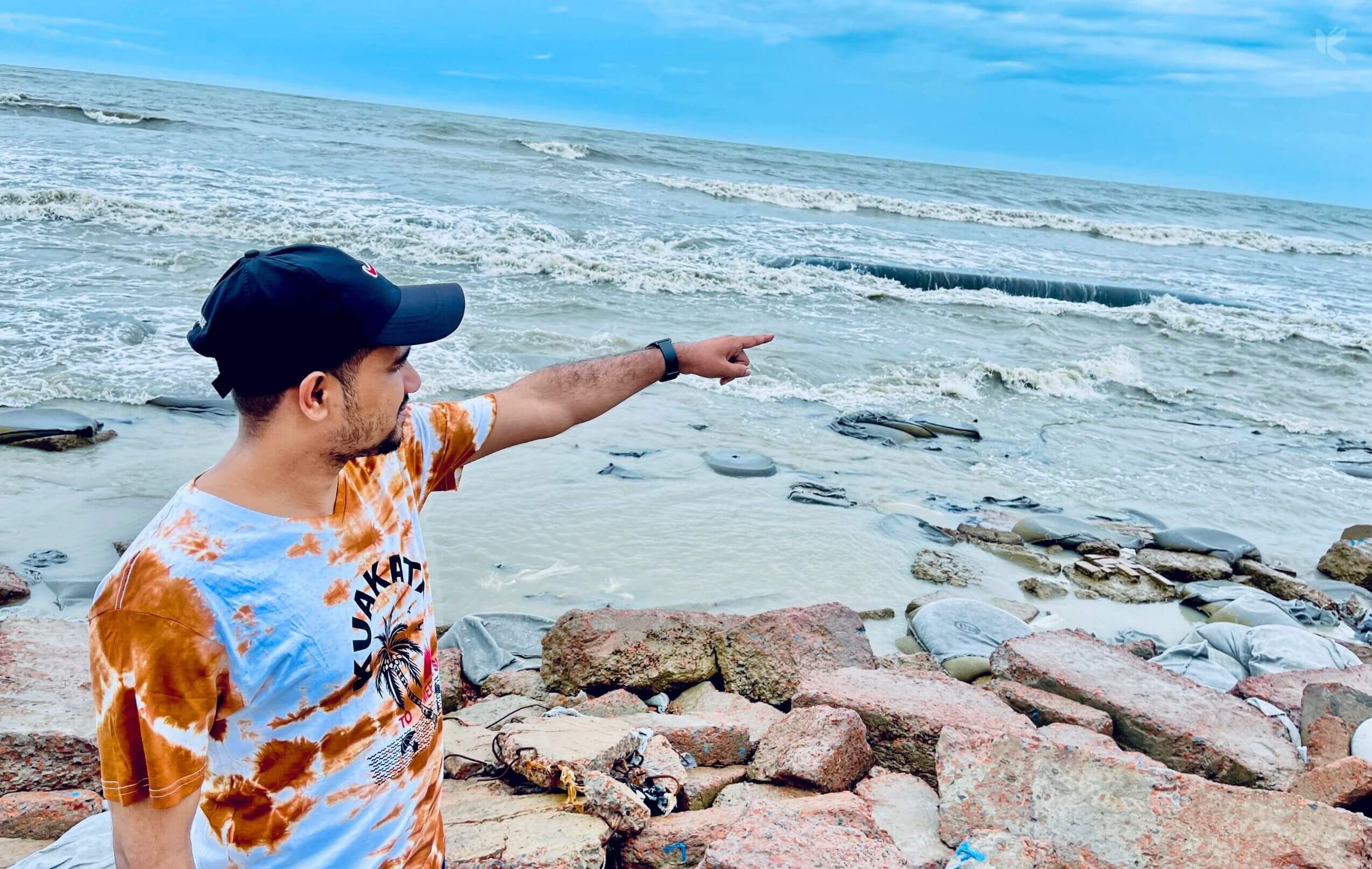
This guide covers everything you need to plan a real trip: how to get there, what to do, where to stay, what to eat, how much to spend, and how to make the most of your time.
Read more: Cox’s Bazar Travel Guide & Trip Planner
Quick Facts
| Location | Kalapara Upazila, Patuakhali District, Barisal Division |
| Distance from Dhaka | ~320 km by road (via Padma Bridge) |
| Beach Length | ~18 km long, ~3 km wide |
| Known For | Sunrise and sunset from the same beach |
| Best Time to Visit | October to March |
| Currency | Bangladeshi Taka (BDT) |
| Language | Bengali (Bangla); Rakhine spoken in ethnic communities |
| Entry Requirements | Valid passport + Bangladesh visa (on arrival available for many nationalities) |
| Time Zone | BST (UTC+6) |
| Emergency Number | 999 (Bangladesh National Emergency) |
Why Visit Kuakata
Most beaches in the world let you watch the sun rise or set over the water – not both. Kuakata’s orientation along the Bay of Bengal makes it one of the few places on earth where you can stand on the same stretch of sand and see the sun emerge from the sea at dawn, then watch it disappear below the same horizon at dusk.
Beyond the sunrise-sunset spectacle, Kuakata offers a layered experience. The Rakhine community has lived here for centuries, descendants of people who migrated from the Arakan region of present-day Myanmar during the Mughal period. Their villages, Buddhist temples, handwoven textiles, and distinct cuisine add real cultural weight to what could otherwise be just a beach trip.
The surrounding landscape amplifies the experience further. The Gangamati reserved forest hugs the eastern end of the beach. The Fatrar Char mangrove island (a satellite section of the Sundarbans) sits just offshore. And the sandbar of Lebur Char is one of the least-visited, most unspoiled spots on this stretch of coast.
If you want a beach destination in Bangladesh that goes beyond lying on the sand, Kuakata is the right choice.
Where Is Kuakata
Kuakata is located in Kalapara Upazila in the Patuakhali District of the Barisal Division in southern Bangladesh. It lies on the northern shore of the Bay of Bengal, approximately 320 km south of Dhaka by road and about 70 km from the Patuakhali district headquarters.
The name Kuakata comes from the Bengali word kua, meaning well. Early Rakhine settlers dug a well on the seashore when they arrived here to find fresh drinking water, and the name has stuck ever since.
Read more: Saint Martin’s Island Travel Guide
Best Time to Visit Kuakata
In short: October to March is the best window. The weather is dry, temperatures are comfortable, and the sea is calm enough for boat trips to offshore islands.
| Season | Months | Conditions | Verdict |
|---|---|---|---|
| Winter (Peak) | November – February | 16–25°C, dry, low humidity | Best time to visit |
| Early Spring | March – April | 25–34°C, warming up, little rain | Good, but getting hot |
| Pre-Monsoon | May – June | Hot, humid, rain beginning | Manageable but not ideal |
| Monsoon | July – October | Heavy rain, rough seas, cyclone risk | Avoid if possible |
The winter months from November through February offer the most pleasant beach conditions. Temperatures stay between 16°C and 25°C, humidity drops significantly, and you get the clearest skies for sunrise and sunset photography. This period also overlaps with the nesting and hatching season of Olive Ridley sea turtles (November through February), which is a remarkable thing to witness if you happen to visit at the right time.
March is still a good month, though temperatures begin climbing toward 33–34°C. April marks the start of the hot season.
The monsoon (July through September) brings rough seas, heavy rainfall, and the possibility of cyclones. Most boat services to Fatrar Char and Lebur Char are suspended during this period. Avoid planning a beach trip to Kuakata during these months unless you specifically want to see the dramatic weather and are prepared for limited access to attractions.
How to Get to Kuakata
By Bus from Dhaka (Recommended)
Traveling by bus is the most convenient way to reach Kuakata from Dhaka, especially since the Padma Bridge opened and dramatically cut travel time.
Route: Dhaka → Padma Bridge → Barisal → Patuakhali → Kuakata
Travel Time: Around 6 to 8 hours depending on traffic and road conditions
Operators: Green Line Paribahan, Shohagh Paribahan, Sakura Paribahan, S. Alam Service, Desh Travels, and others
Fares (approximate, verify before booking):
- Non-AC bus: BDT 750–900
- AC bus: BDT 1,100–1,600
Buses depart from Sayedabad, Gabtoli, Arambagh, or Abdullahpur bus stands in Dhaka. Night buses that depart around 9–11 PM are popular because you arrive in Kuakata in the morning, ready to catch the sunrise. Always verify current schedules and fares directly with the operator, as these change.
By Launch (River Route) from Dhaka
The launch (river vessel) route is slower but offers a very different travel experience. You board at Sadarghat in Dhaka and travel through Bangladesh’s river network.
Travel Time: 10–12 hours (overnight launches are common)
Approximate Fares:
- Deck class: BDT 200–300
- Sofa class: BDT 500–700
- Single cabin: BDT 1,000+
- Double cabin: BDT 1,800+
Night launches depart in the late afternoon or evening and arrive near Kuakata the following morning. Operators include MV Kirtonkhola, Sundarban launches, and others. Check with BIWTA (Bangladesh Inland Water Transport Authority) or visit Sadarghat terminal for current schedules, as these change seasonally.
Many travelers combine routes: take the bus to Barisal, then a local bus or microbus onward to Kuakata (about 1.5–2 hours from Barisal).
By Air
There is no airport at Kuakata. The nearest domestic airport is Barisal Airport. Biman Bangladesh Airlines and Novoair operate flights from Dhaka to Barisal. From Barisal, you take a bus or microbus to Kuakata (approximately 90–120 minutes). Domestic flight prices fluctuate; book in advance.
Distance Overview
| Origin | Distance | Travel Time |
|---|---|---|
| Dhaka (by road) | ~320 km | 6–8 hours |
| Barisal | ~115 km | ~2 hours |
| Patuakhali town | ~70 km | ~1.5 hours |
| Cox’s Bazar | ~300 km (approx.) | 6+ hours |
Getting Around Kuakata
Once you arrive, the main stretch of Kuakata is walkable if you stay near the beach. For reaching outlying attractions, a few transport options are available:
Motorcycle rentals / guides: This is by far the most practical way to cover all the spots. More than 500 motorcycle guides operate around Kuakata. A deal covering all main spots (Gangamati, Shutki Polli, Buddhist temples, Rakhine village) typically runs BDT 500–1,000 for a half-day tour. Bargain politely before committing.
Bicycle rental: A quieter, slower way to explore the beach road and nearby areas. Ask at your hotel or at local shops near the beach. Rates are low (BDT 100–200 for a few hours).
Auto-rickshaw / CNG: Available for shorter trips within town or to nearby villages.
Boat hire: Required for reaching Fatrar Char, Lebur Char, and the Three Rivers Mohana. Boats are arranged through local boatmen near the beach or through your hotel. Prices vary by destination and group size — always negotiate beforehand and verify current rates locally, as they shift by season.
Entry Fees
Kuakata beach itself is free to enter. There are no gate fees for the main beach.
Specific attractions may have small charges:
- Fatrar Char (Sundarbans entry point): A forest department fee may apply; verify locally as this can change.
- Misripara Buddhist Temple: No fixed fee, but voluntary donations are appreciated.
- Boat trips: Hired at market rates; see the “Getting Around” section.
Top Things to Do in Kuakata
Watch the Sunrise
Get to the eastern end of the beach near Gangamati by 5:30–6:00 AM to position yourself before first light. The sun rises directly from the water and the colors, particularly when fishing trawlers are silhouetted against the orange sky, are genuinely spectacular. Hire a motorcycle guide the evening before to make sure you are in the right spot at the right time. Many photographers consider this the single best reason to visit.
Watch the Sunset
Walk to the western end of the beach, near the lemon forest (Lebur Bon), to catch the sunset. The experience is different from the sunrise: the beach is less crowded at the western end, and the light turns the water extraordinary shades of amber and red before the sun drops below the horizon.
Explore Gangamati Reserved Forest
The Gangamati forest occupies the eastern end of Kuakata beach. It is an evergreen mangrove-edged woodland where you can walk or cycle along the shore and spot birds, particularly during the winter migration season when migratory species pass through. A speedboat from Gangamati can reach a section of the Sundarbans in roughly an hour if you want to extend your exploration.
Visit Fatrar Char
Fatrar Char is a mangrove island that forms part of the Sundarbans, accessible by boat from Kuakata. A round trip typically takes two to four hours. The island is forested and largely undeveloped, and the boat journey through the waterways is itself a highlight. Keep in mind that rough sea conditions during the monsoon make this trip impossible. Ask your hotel or local boatmen for the current situation.
Go to Lebur Char (Lemon Char)
Lebur Char is a sandbar roughly 5 km to the east of Kuakata. It is surrounded by approximately 1,000 acres of relatively untouched shoreline and sees far fewer visitors than the main beach. You reach it by local boat. It is a good spot for people who want solitude, shell collecting, and an unobstructed view of the sea. Fishermen work these waters regularly, and watching them operate from this quiet vantage point feels completely removed from the tourist circuit.
Visit the Buddhist Temples and Rakhine Villages
Seema Buddhist Temple is located in Keranipara, right next to the historic well that gave Kuakata its name. The temple houses an ancient octahedral Buddha statue that has been here for generations.
Misripara Buddhist Temple, about 8 km from the main beach, reportedly contains one of the largest Buddha statues in South Asia. The scale of the statue is surprising for a location this remote. Both temples are active places of worship — dress modestly and remove your shoes before entering.
Keranipara (Rakhine village) is a short walk from the Seema temple. This is where the indigenous Rakhine community lives, and where women traditionally weave cloth using handlooms. The textiles and winter blankets made here are sold in the local market. It is a genuine cultural community, not a staged attraction, so approach with respect.
The Rakhine Market
Near the Keranipara village, the Rakhine Market is a compact but interesting stop. It sells handwoven fabrics, dried fish, local snacks, and Rakhine-style food. The market reflects the distinct identity of this community within Bangladesh.
Visit Shutki Polli (Dried Fish Village)
About 4 km west of the main beach, Shutki Polli is where fishing communities dry and process fish that gets distributed across Bangladesh and exported internationally. Watching the entire process, from the catch coming in to the fish being laid out and turned in the sun, is a fascinating and frankly pungent experience. It’s one of those honest, working places that travel guides often skip.
Spot Red Crabs at Kakra Dwip
Also called Red Crab Island, Kakra Dwip sits at the eastern end of Kuakata beach. During low tide between October and March, thousands of bright red crabs emerge from their burrows and move across the sand. It is an unusual natural spectacle and a great opportunity for wildlife photography. A motorcycle guide can take you here in about 30 minutes from the main beach.
Three Rivers Mohana
The confluence (mohana) of three rivers near Kuakata’s coastline offers a dramatic view of where river systems meet the bay. It is best reached by boat and is particularly atmospheric at dawn or dusk when fishing vessels are moving through.
Read more: Bandarban Travel Guide for First-Time Visitors
Best Beaches in Kuakata
| Beach / Area | Best For | Notes |
|---|---|---|
| Main Kuakata Beach | Swimming, walking, general beach time | Wide, sandy, busy at the central section |
| Eastern End (Gangamati) | Sunrise viewing, birdwatching | Access the forest from here |
| Western End (near Lebur Bon) | Sunset viewing, quieter atmosphere | Less crowded than the central beach |
| Lebur Char | Solitude, shell collecting | Accessible by boat only |
| Kakra Dwip | Wildlife (red crabs), photography | Best October–March at low tide |
The 18-km beach is not all the same. The central section near the main market is where most activity happens and where vendors and motorbike guides concentrate. If you want a quieter stretch, walk east toward Gangamati or west toward the lemon forest. Both ends are significantly calmer than the middle.
Nearby Attractions
- Patuakhali town (~70 km): The district headquarters, worth a stop if you are passing through
- Barisal (~115 km): Known as the “Venice of Bengal” for its river network and floating guava markets (in season)
- Sundarbans (accessible via Gangamati by speedboat): The world’s largest mangrove forest; a day trip gives you a surface-level glimpse, but a dedicated Sundarbans tour from Khulna or Mongla gives you the full experience
Suggested 3-Day Itinerary
Day 1: Arrival + First Sunset
- Arrive in Kuakata (morning or afternoon depending on your travel route)
- Check in to your accommodation, settle in
- Walk the main beach in the afternoon
- Head to the western end of the beach near the lemon forest around 5:00–5:30 PM for sunset
- Dinner at a beachfront seafood restaurant
Day 2: Sunrise + Cultural Day
- 5:30 AM: Head to the eastern end of the beach near Gangamati for sunrise (hire a motorcycle guide the evening before)
- 8:00 AM: Breakfast at your hotel or a local tea stall
- 9:30 AM: Visit Seema Buddhist Temple and the historic Kuakata well at Keranipara
- 10:00 AM: Explore the Rakhine village, browse the Rakhine Market
- 11:30 AM: Visit Misripara Buddhist Temple (~8 km from beach)
- 1:00 PM: Lunch, preferably Rakhine-style or fresh seafood
- 3:00 PM: Visit Shutki Polli dry fish village
- Evening: Relaxed walk along the main beach
Day 3: Boat Day + Departure
- 8:00 AM: Hire a boat to visit Fatrar Char (mangrove island) or Lebur Char sandbar
- Allow 2–4 hours depending on your destination
- 12:00 PM: Return to beach, lunch
- 2:00 PM: Kakra Dwip (Red Crab Island) if the tide is right and conditions allow
- Late afternoon: Depart for Dhaka (overnight bus) or stay an extra night
Note: This itinerary is a suggestion. Boat trips depend on weather, season, and sea conditions. Always confirm availability with local boatmen or your hotel on the day.
Where to Stay
Kuakata’s accommodation options have grown considerably over the past decade. The main concentration of hotels is along the beach road and the areas immediately behind it.
Budget
Kuakata Guest House and similar guesthouses near the beach offer basic rooms starting from around BDT 800–1,500 per night. Expect clean rooms with fans, shared or private bathrooms, and no-frills service. These are fine for backpackers who plan to spend most of their time outside.
Hotel Sea Level, Hotel Rose Garden, Hotel South Bangla: These fall in the budget-to-lower-midrange bracket, with rooms in the BDT 1,000–2,500 range. Check current availability and condition before booking, as standards vary and guest reviews shift over time.
Mid-Range
Hotel Khan Palace: A short walk from the beach, with multi-cuisine restaurant, free WiFi, parking, and 24-hour room service. Complimentary breakfast is typically included. Rooms are clean and well-maintained.
Hotel Nilanjona Kuakata, Hotel Graver Inn International, Rose Valley Motel & Resort: Mid-range options with comfortable rooms in the BDT 2,500–5,000 range. Rose Valley is slightly farther from the beach but quieter.
Somudra Bari Resort: Located opposite the Sikder Market, close to the beachfront. A good mid-range option with lake views from some rooms.
Luxury / Beach Resorts
D’more Kuakata Hotel & Resort: Consistently rated as one of Kuakata’s top properties. Well-maintained, with good security and professional staff. A solid choice if you want comfort without hunting for the right room at a budget place.
Sikder Resort & Villas: Right on the shoreline, a popular choice for couples and honeymoon trips. Facilities include a pool, restaurant, and sea-view rooms.
Bd Heritage Park Resort for Elite: The most upmarket option in Kuakata, with suite options running into the BDT 7,500–34,000 range per night. Buffet breakfast, swimming pool, jacuzzi, and gym are included. If you want a luxury beach resort experience, this is the closest Kuakata gets to it.
Important: Prices fluctuate significantly between peak season (November–February) and off-season. Always verify current rates directly with the property or via booking platforms before planning your budget. Hotel conditions and management can also change.
Where to Eat
Most dining in Kuakata centers around the beach road and the area near the central beach market. Fresh seafood is the dominant offering, and for good reason.
Beachfront seafood stalls: These are your best bet for grilled shrimp, fried pomfret, and spicy crab on a tight budget. The fish comes directly from local boats. Prices are low, quality is generally good, and the setting (plastic chairs, sea breeze) is part of the appeal.
Hotel restaurants: All mid-range and luxury hotels have in-house restaurants serving both Bengali and limited Chinese or continental options. Convenient if you don’t want to step out late at night.
Rakhine Market food stalls: For something more unique, food stalls in and around the Rakhine Market serve dishes with a distinctly Rakhine character: fish curries made with different spice pastes, shrimp vorta (mashed shrimp with mustard oil), and other preparations you won’t find in typical Bangladeshi restaurants.
Kuakata Hilsa Park: A restaurant cum mini-museum themed around hilsa fish, the national fish of Bangladesh. Worth a visit for the food and the novelty.
Local Foods to Try
| Dish | Notes |
|---|---|
| Grilled / Fried Pomfret | Fresh from the Bay; a Kuakata staple |
| Spicy Crab Curry | Rich, intensely flavored; best at beachside restaurants |
| Chingri Malai Curry | Prawns in a coconut milk gravy; a Bengali classic done well here |
| Shrimp Vorta | Mashed shrimp with mustard oil, onions, and chili |
| Rakhine Fish Curry | Made with local spice paste; distinctly different from standard Bengali fish curry |
| Shutki (Dried Fish) | An acquired taste, but central to coastal Bangladeshi cooking |
| Hilsa (Ilish) | Bangladesh’s most prized fish; in season (monsoon), even a short Kuakata trip is worth it just for this |
| Pitha | Sweet or savory rice flour cakes, often sold at roadside stalls |
| Vegetable Tempura | A Rakhine-influenced snack |
One practical tip: the freshest and cheapest seafood is at the beach stalls near the fish landing point in the early morning, right after the boats come in. Prices go up and freshness goes down later in the day.
Estimated Travel Budget
All prices are approximate and subject to change. Exchange rates fluctuate. 1 USD ≈ 110–120 BDT at the time of writing (verify current rates before travel).
Budget Traveler
| Category | Estimated Daily Cost (BDT) | Estimated Daily Cost (USD) |
|---|---|---|
| Accommodation | 800–1,500 | $7–14 |
| Food | 400–700 | $4–6 |
| Local transport | 300–600 | $3–5 |
| Activities | 200–500 | $2–5 |
| Estimated Daily Total | 1,700–3,300 | ~$16–30 |
Mid-Range Traveler
| Category | Estimated Daily Cost (BDT) | Estimated Daily Cost (USD) |
|---|---|---|
| Accommodation | 2,500–5,000 | $22–45 |
| Food | 800–1,500 | $7–14 |
| Local transport | 500–1,000 | $5–9 |
| Activities | 500–1,000 | $5–9 |
| Estimated Daily Total | 4,300–8,500 | ~$39–77 |
Luxury Traveler
| Category | Estimated Daily Cost (BDT) | Estimated Daily Cost (USD) |
|---|---|---|
| Accommodation | 7,500–35,000+ | $68–320+ |
| Food | 1,500–3,000 | $14–27 |
| Local transport | 1,000–2,000 | $9–18 |
| Activities | 1,000–3,000 | $9–27 |
| Estimated Daily Total | 11,000–43,000+ | ~$100–390+ |
These figures do not include the bus or launch fare from Dhaka (BDT 750–1,600 one-way by bus, depending on class). For international travelers, Dhaka–Kuakata transportation is an additional cost to factor in for your full trip budget.
Prices for accommodation, food, and transport change with seasons, demand, and general inflation. Always verify current rates before you travel.
Read more: Best Places to Visit in Bangladesh
Packing List
- Lightweight, breathable clothing (cotton works best in the coastal humidity)
- A scarf or shawl (for temple visits; women should be able to cover shoulders and knees)
- Sunscreen (SPF 50+; the coastal sun is intense even in winter)
- Insect repellent (necessary for forest areas and near standing water)
- Comfortable walking sandals and closed shoes (for forest trails)
- Rain jacket or compact umbrella (even in dry season, unexpected showers are possible)
- Reusable water bottle (plastic waste is a serious issue on Bangladesh’s beaches)
- Power bank (electricity cuts are possible in coastal areas)
- Cash in Bangladeshi Taka (ATMs exist in Kuakata but availability can be unreliable; bring sufficient cash from Dhaka or Patuakhali)
- Basic medications: anti-diarrheal, rehydration salts, antihistamine
- Camera with extra memory cards (if photography is important to you)
- Binoculars (useful for birdwatching at Gangamati)
Safety Tips
- Currents: The Bay of Bengal can have strong currents. Swim only in designated areas and pay attention to local advice about sea conditions on any given day.
- Cyclone season: The Bangladesh coast is vulnerable to cyclones, particularly from April to June and September to November. Check Bangladesh Meteorological Department advisories if you are traveling outside of the peak winter season.
- Boat safety: When hiring boats for Fatrar Char or Lebur Char trips, check that the vessel has life jackets on board. Do not travel if the weather looks uncertain.
- Valuables: Keep passports, extra cash, and electronics in your hotel safe or in a waterproof bag. Beaches anywhere in the world come with opportunistic theft risks.
- Medical facilities: Kuakata has basic medical facilities. For anything serious, you would need to travel to Patuakhali or Barisal. Carry a basic first aid kit and any prescription medications you need.
- Sunstroke: Even in winter, direct midday sun on an open beach is powerful. Wear a hat, use sunscreen, and stay hydrated.
Travel Tips
- Book accommodation in advance during peak season (December–January). Kuakata fills up around major holidays and long weekends. Walking in without a reservation is risky during these periods.
- Hire a motorcycle guide for the full-day tour. It covers the most ground efficiently and the guides genuinely know the best spots and timing.
- Negotiate, but fairly. Bargaining is expected for transport and boat hire. That said, many locals in Kuakata depend on tourism income, so fair payment goes a long way.
- Sunrise timing changes by month. In November and December, sunrise happens around 6:15–6:30 AM. By February it shifts earlier. Check the exact time the day before so you are not late.
- Avoid littering. Kuakata’s beach cleanliness has improved, but plastic waste is still a challenge. Take your rubbish with you.
- ATMs can be unreliable. Bring enough taka from Dhaka for your entire trip rather than counting on ATM access in Kuakata.
- The monsoon is not a deal-breaker if you plan correctly. If you visit in the rainy season, you can still see the beach, visit the temples, and explore the Rakhine market. You just cannot do the boat trips. Hotel rates are also significantly lower.
Local Culture
Greetings
The dominant community in Kuakata is Bengali Muslim. The standard greeting is Assalamu Alaikum (Islamic greeting, appropriate with Muslim locals). For the Rakhine Buddhist community, Nomoshkar (a general South Asian respectful greeting) is appropriate. A smile goes a long way regardless.
Dress Expectations
Bangladesh is a predominantly Muslim country and conservative dress is the norm off the beach. On the beach itself, modest swimwear is tolerated, but cover up when you step off the sand and into the town, market, or any community area. Women should carry a scarf for temple visits and village walks. Men in shorts are generally fine on the beach but should switch to trousers in temples and markets.
Religious Customs
Both Seema Buddhist Temple and Misripara Buddhist Temple are active places of worship. Remove your shoes before entering. Dress modestly. Do not touch statues or sacred objects without permission. Photography inside temples is acceptable in most cases, but ask first.
Kuakata is also a pilgrimage site for Hindu and Buddhist communities, particularly during the festivals of Rush Purnima and Maghi Purnima, when thousands of devotees gather for ritual bathing in the sea. These festivals bring remarkable energy to an otherwise quiet town, but also significant crowds.
Photography Etiquette
Always ask before photographing people, particularly women. This is especially important in Rakhine villages, where residents may be less accustomed to tourist cameras. People working at Shutki Polli or fishing communities on the beach are generally more open, but a nod and a smile of inquiry before lifting the camera is always the right move.
Tipping
Tipping is not deeply embedded in Bangladeshi culture, but it is appreciated at restaurants (rounding up the bill is common) and for motorcycle guides and boat crews who spend several hours with you. BDT 50–200 depending on the service length is a reasonable tip for good service.
Behavior at Attractions
The Rakhine village is a real community, not a cultural exhibit. Enter with the same respect you would show visiting anyone’s neighborhood. The people are generally welcoming to respectful visitors, but keep noise down, ask before entering homes or private areas, and be aware that you are a guest.
Responsible Travel
Kuakata is a relatively fragile coastal ecosystem. Mangrove forests, nesting turtles, and fishing communities all depend on a healthy bay environment. A few things to keep in mind:
- Do not purchase products made from sea turtles. Turtle shells, eggs, and related items are sometimes offered to tourists. Do not buy them.
- Avoid single-use plastic. Bring a reusable bottle and bag. Refuse plastic straws at restaurants.
- Do not disturb nesting turtles or hatchlings if you happen to be on the beach during nesting season (November–February). Give them space and do not use flash photography near them.
- Support local businesses. Eating at local seafood stalls, buying handicrafts from Rakhine weavers, and using local motorcycle guides puts money directly into the community rather than filtering it through outside tour operators.
- Do not collect live shells or coral fragments. The beach ecosystem depends on these materials.
Frequently Asked Questions
What is Kuakata famous for?
Kuakata is best known for being one of the rare beaches in the world where you can see both sunrise and sunset over the same body of water. It also draws visitors for its indigenous Rakhine community, Buddhist temples, nearby mangrove forests, and fresh Bay of Bengal seafood.
What is the best time to visit Kuakata?
October to March is the optimal window. November through February is the peak of the dry season, with the most comfortable temperatures (16–25°C), calm seas for boat trips, and the best conditions for sunrise and sunset viewing.
How do I get to Kuakata from Dhaka?
The most practical route is by AC or non-AC bus from Dhaka’s Sayedabad, Gabtoli, or Arambagh bus stands. Since the Padma Bridge opened, the trip takes roughly 6 to 8 hours. Night buses are popular. You can also travel by overnight river launch from Sadarghat terminal, or fly to Barisal and take a bus from there.
How long is the bus journey from Dhaka to Kuakata?
By direct bus via the Padma Bridge, the journey takes approximately 6 to 8 hours depending on traffic and road conditions. Verify with your operator before booking.
Can you really see both sunrise and sunset from Kuakata?
Yes. This is one of Kuakata’s defining features. The beach faces south and extends east-west along the bay, so the sun rises from the water on the eastern side in the morning and sets below the water on the western side in the evening. This is genuinely unusual and worth experiencing.
What are the top things to do in Kuakata?
Watching the sunrise at Gangamati, the sunset near the lemon forest, boat trips to Fatrar Char and Lebur Char, visiting the Seema and Misripara Buddhist temples, exploring the Rakhine village and market, seeing the red crabs at Kakra Dwip, and visiting the dried fish village at Shutki Polli are the main activities.
Is Kuakata safe for solo travelers?
Kuakata is generally safe for solo travelers, including solo women, though standard coastal travel precautions apply. Dress modestly outside the beach, keep valuables secure, and be cautious about accepting unsolicited help from strangers offering to guide you.
What is the Rakhine community in Kuakata?
The Rakhine are an indigenous ethnic group originally from the Arakan region of present-day Myanmar. They migrated to the Bangladesh coast centuries ago during the Mughal period. Today they maintain distinct cultural traditions in Kuakata, including weaving, Buddhist temple worship, and a cuisine that differs from standard Bengali cooking.
What local food should I try in Kuakata?
Fresh grilled seafood, spicy crab curry, chingri malai curry (prawns in coconut milk), shrimp vorta, Rakhine-style fish curry, and dried fish preparations are the highlights. Hilsa (ilish) in season is also exceptional here.
How much does a trip to Kuakata cost?
A budget traveler can get by on roughly BDT 1,700–3,300 per day (approximately $16–30 USD), not including the Dhaka-Kuakata bus fare. Mid-range travelers should budget BDT 4,300–8,500 per day ($39–77 USD). Luxury options range from BDT 11,000 upward. All prices are approximate and subject to change.
Are there ATMs in Kuakata?
ATMs exist in Kuakata but access can be unreliable. Bring sufficient cash in Bangladeshi Taka from Dhaka or withdraw from Patuakhali or Barisal on your way in.
Is Kuakata worth visiting for international travelers?
For travelers interested in Bangladesh beyond the standard Dhaka and Sundarbans circuit, Kuakata is genuinely worth the journey. It offers a combination of natural spectacle (that sunrise and sunset), intact fishing culture, indigenous community heritage, and some of the best fresh seafood in the country – all without the density of crowds that Cox’s Bazar attracts.
Final Thoughts
Kuakata rewards travelers who come without excessive expectations and with a genuine interest in the coast as it actually is, not as a tourist brochure would have it. The beach is wide and the sea is moody. The Rakhine community has maintained its culture in a country where that takes real effort. The sunrises are worth waking up at 5 AM for.
It is not a polished international beach resort. The infrastructure is basic in places, the roads can be rough, and some attractions require patience and negotiation to access. But that’s also why Kuakata still feels real, and why travelers who make the trip tend to leave with more than just beach photos.
If you found this guide useful, Kuhudak has more detailed travel guides covering Bangladesh’s beaches, rivers, and hill tracts. Bangladesh has a lot more coastline, forest, and culture than most travelers realize – Kuakata is a good place to start exploring it.
Note: Travel information including transport fares, hotel prices, boat services, and attraction fees changes regularly. Always verify current details directly with service providers, your hotel, or official tourism sources before finalizing your plans. Prices in this guide are estimates based on research at the time of writing and are provided for general planning purposes only.